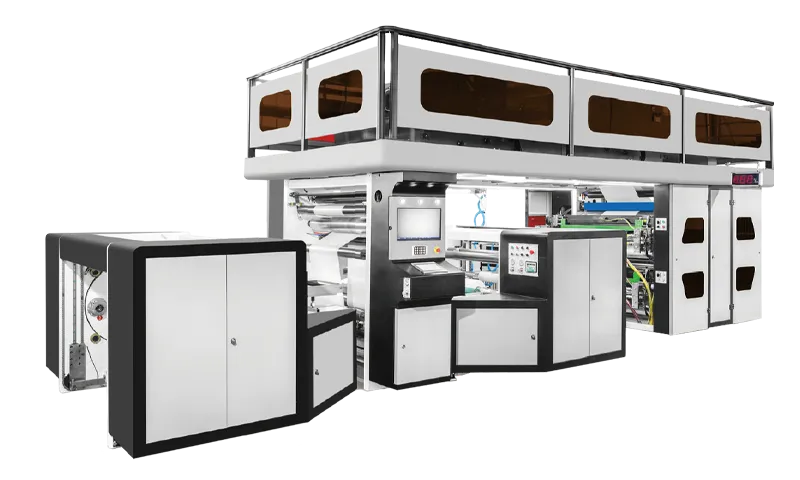
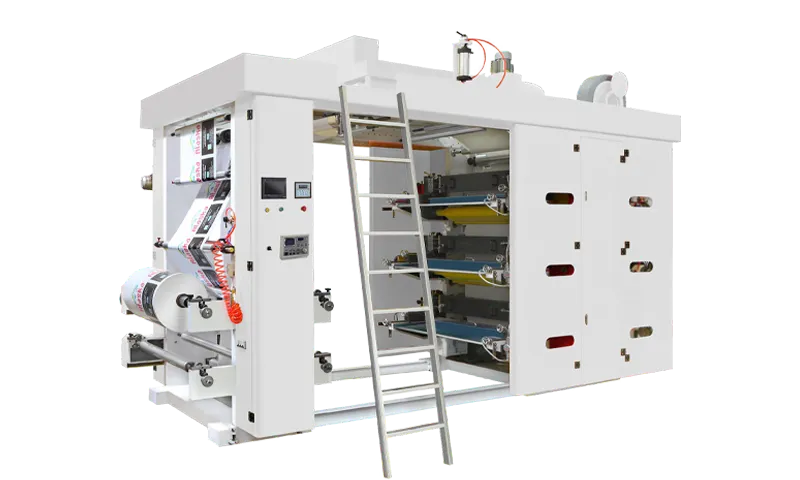
Rising costs, unforgiving deadlines, and client demands for quality that makes your head spin. You need more than just a machine; you need a reliability partner. The central impression flexo press stands as the industry’s answer for high-volume, consistent, multi-color label printing. At its best, it’s a symphony of precision engineering. This article cuts through the marketing speak to show you how a modern CI flexo press, like those engineered by XinXin, directly tackles your real-world production headaches, turning speed and consistency from a daily battle into your new normal.
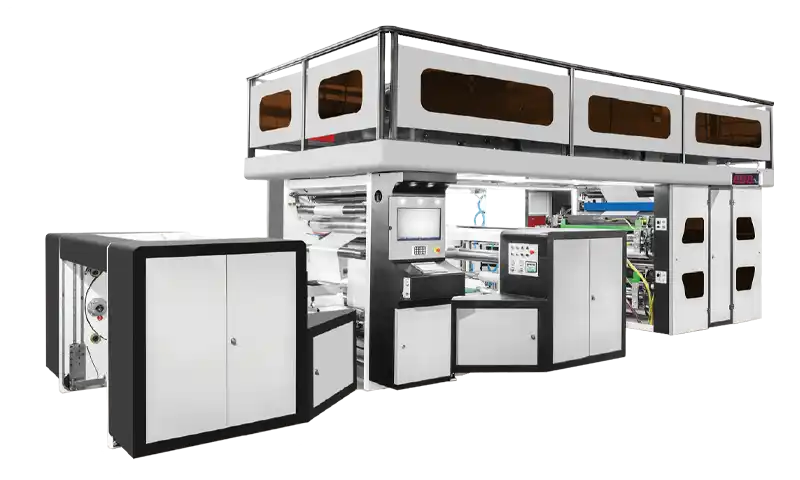
Let’s strip it back. CI Flexo stands for “Central Impression.” Imagine a single, massive steel drum—the heart of the machine. Around this giant cylinder, multiple printing stations are arranged like satellites. Each station lays down one color of ink. Because every station prints onto the web (the material) while it’s firmly supported by the same central drum, registration—getting all those colors to line up perfectly—becomes remarkably stable.
Think of it like drawing on a piece of paper taped firmly to a table versus trying to draw on a page fluttering in the wind. The former gives you control; the latter is a mess waiting to happen. That’s the fundamental advantage of the CI flexo machine design. It’s inherently more mechanically stable for multi-color work compared to inline presses where the web travels and stretches between separate print units. For labels requiring crisp text, fine lines, and vibrant process colors, this isn’t just a nice feature; it’s the bedrock of print quality.
Buying a press is a major capital decision. The justification comes from tangible wins on your shop floor. Here’s where a precision CI flexo printing press pays for itself, line after line, shift after shift.
To understand its value, you need to look under the hood. It's the perfect combination of these components that creates the magic.
The Central Impression Cylinder: This isn’t just any drum. It’s a masterpiece of thermal engineering. To combat heat buildup from friction at high speeds, it features advanced internal water-cooling channels. A stable, cool cylinder means stable print dimensions. Precision grinding ensures its diameter is perfect, the foundation of all that repeatable accuracy.
The Inking System: This is where the industry has seen a revolution. The move from old-school two-roll systems to chambered doctor blades was a game-changer. These enclosed chambers deliver a controlled, precise amount of ink directly to the anilox roll, slashing ink consumption by up to 30% (according to FTA studies) and providing superior ink density and laydown. It’s cleaner, more efficient, and gives you better color.
Web Handling & Tension Control: The unsung hero. A sophisticated network of electronic tension zones, guided by servo-driven dancers and rollers, treats the web with kid gloves. It’s this gentle, precise control that prevents stretching, wrinkling, and snapping—especially critical for thin films—ensuring flawless substrate feeding from unwind to rewind.
Now, let's move from theory back to the print shop. Here are examples of how this technology helps you solve real-world problems: Technology translated into solutions.
Scenario 1: The Beverage Label Marathon. A craft brewery lands a national contract. They need millions of high-gloss, 5-color pressure-sensitive labels, and they need them yesterday. An inline press might struggle with register at the required speed, leading to waste and anxiety. A CI flexo machine for labels, with its stable drum and quick-change sleeves, runs the marathon at top speed. Job after job, the colors pop consistently, the registration is dead-on, and the press hums through the night with minimal operator intervention. The brewery gets perfect labels on time; the converter secures a long-term, lucrative partner.
Scenario 2: The Complex Flexible Film Puzzle. A health food company wants a stand-up pouch made of a tricky, multi-layer laminate. It needs vibrant graphics, scuff resistance, and perfect bar codes. The flexibility of a CI press shines. It can handle the delicate film without distortion. By integrating advanced UV curing or LED curing stations between colors, it can lay down durable, high-adhesion inks that withstand handling. The result is a durable, beautiful package that survives the supply chain and wins shelf appeal.
The future of label production isn’t just about mechanical precision; it’s about data and responsibility. The next generation of CI flexographic printing equipment is connected. Imagine sensors on the anilox rolls reporting ink density in real-time, or the press automatically adjusting parameters for ambient humidity changes. Predictive maintenance alerts, based on vibration analysis, can prevent catastrophic downtime. This isn’t sci-fi; it’s the path to the truly autonomous, lights-out pressroom.
Furthermore, sustainability is no longer a buzzword; it’s a client requirement and a cost-saving measure. Modern presses are at the forefront. They enable the use of water-based and UV-LED inks with lower VOC emissions. Precise ink delivery reduces chemical waste. Efficient dryers slash energy consumption. Investing in a new CI press is, inherently, a step towards a greener, more sustainable operation—a powerful point for your own brand story.
Choosing a CI flexo printing machine for label production is one of the most significant decisions for your business. Look beyond the brochure specs. Consider the total cost of ownership: energy use, ease of maintenance, and potential for upgrades. But most critically, evaluate the manufacturer as a partner. Do they have deep, global technical support? Can they provide comprehensive operator training? Will they be there in five years with software updates and service?
From my vantage point, seeing dozens of operations, the shops that thrive are those where the press becomes a seamless, reliable extension of the team’s skill. It empowers operators, delights quality managers, and gives sales teams the confidence to promise the impossible. That’s the real return on investment—not just on paper, but in the calm, productive rhythm of a successful pressroom.

Fast response
Spare parts stock
Specialized commissioning and repairs/p>