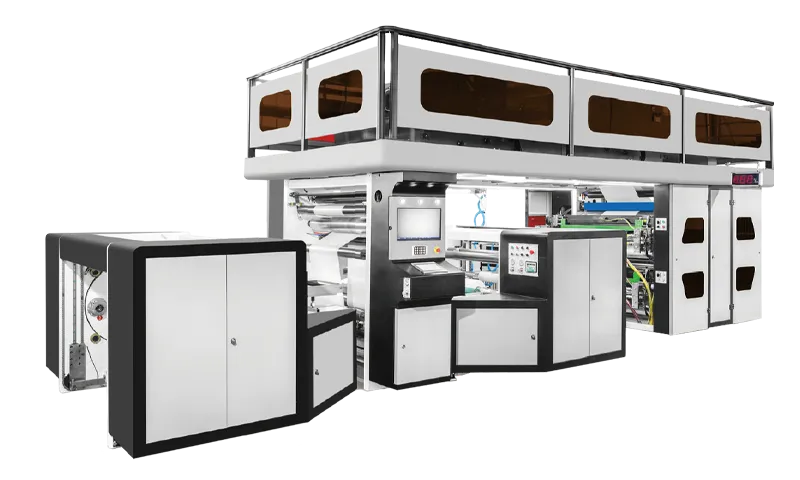
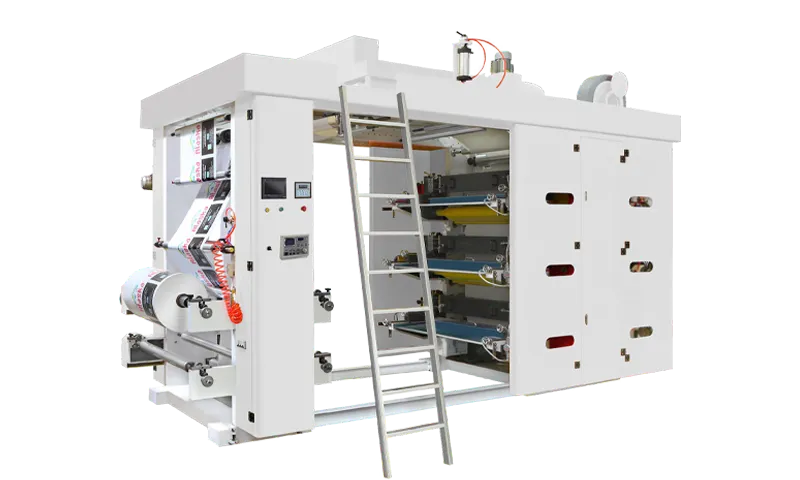
If you're looking for packaging and label printing equipment, you may have noticed that the excessive ink waste generated by stack-type flexographic printing machine not only costs money but also severely impacts production efficiency. Based on our practical experience and data, there are four main reasons for this waste: unstable ink transfer systems, poorly designed plate and pressure settings, mismatched ink formulations, and cumbersome cleaning processes. The XinXin team has conducted hundreds of on-site debugging sessions and proven that optimizing these aspects can reduce ink waste by an average of 35%.
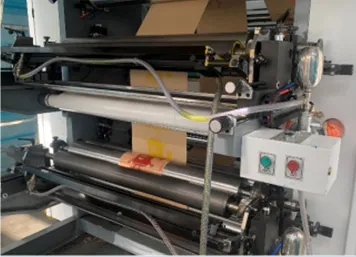
Unstable ink transfer is the hidden killer of ink waste
You can think of the ink transfer system as the "circulatory system" of a stack-type flexographic printing machine. Even minor malfunctions can lead to ink waste. Many buyers overlook the compatibility between the anilox roller and the printing plate when purchasing equipment, which leads to uneven ink transfer – and that's where the problem lies. According to a flexographic printing carbon footprint study jointly conducted by Beijing Institute of Graphic Communication and Asahi Kasei Corporation, the ink transfer rate of stack-type flexographic printing machine with mismatched anilox roller mesh and plate depth is only 62%. What about the remaining 38%? They either accumulate on the anilox roller or overflow during the printing process.
Take one of our partner food packaging factories as an example – they were using an old stack-type flexographic printing machine. Due to the aging anilox roller, the ink could not be evenly applied to the printing plate. To achieve the required color depth, the operators had to increase the ink supply. The result? 15% of their ink was wasted every month. We replaced their anilox roller with a XinXin custom-made one (we optimized the mesh count based on their specific packaging materials), and the ink transfer rate immediately increased to 89%. This means they saved 12,000 yuan in ink costs alone every month.
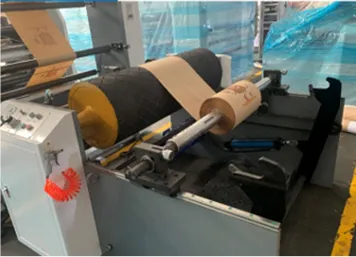
Avoiding ink waste can start with addressing poor plate and pressure settings
Another common problem is that when colors are inconsistent, many operators simply increase the printing pressure to solve the problem. This is a wrong approach – it not only causes ink to seep into non-printing areas (resulting in blurred edges), but also accelerates printing plate wear, meaning you need to replace the plates more frequently. We conducted a small experiment at XinXin to prove this: using the same stack-type flexographic printing machine, divided into two groups... One group used our standard plate-making process and pressure calibration services—their ink waste rate was 8%. Another group used randomly set parameters? Their waste rate was as high as 23%. That's almost a threefold difference.
We also can't ignore ink formulations—they must be compatible with your equipment and printing materials. Otherwise, waste is inevitable. For example, using solvent-based inks on paper packaging that easily absorbs ink? The ink will penetrate too quickly, and operators will end up constantly adding ink to maintain vibrant colors. Or using ultra-viscous ink on plastic packaging? It won't flow properly, leading to ink buildup and clumping. Complete waste.
Flexographic Printing Press "Ink Cleaning Function"
Our new stack-type flexographic printing machine is equipped with an intelligent cleaning system. When changing colors or during downtime, the system automatically adjusts the amount of cleaning solvent based on the remaining ink volume. Furthermore, it filters the cleaning fluid to recover usable ink. A consumer goods packaging company using this system told us that ink waste related to cleaning was reduced by 70%, saving 30% on solvent costs per month. It's a win-win situation.
If you are interested in our flexographic printing presses, please click on XinXin's contact page!

Fast response
Spare parts stock
Specialized commissioning and repairs/p>