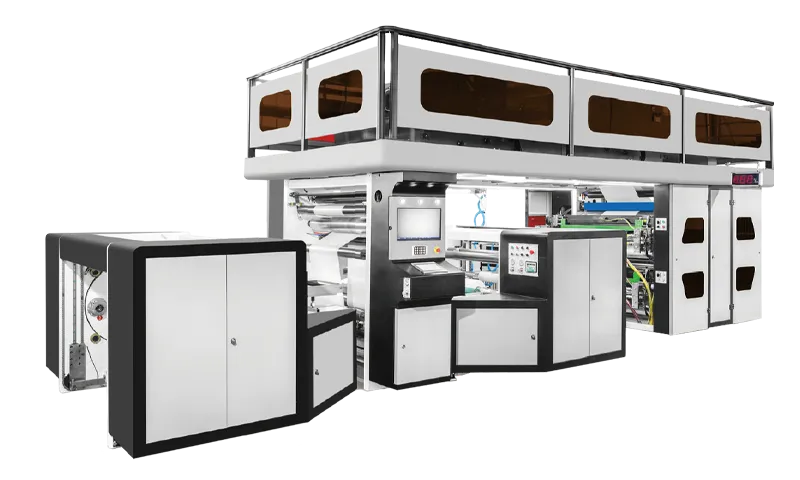
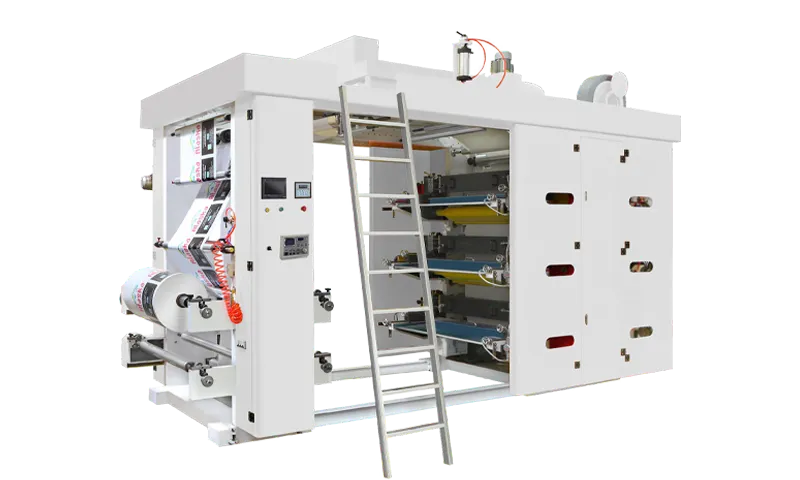
The central impression cylinder is the heart of any CI Flexo Printing Machines. It anchors the web, maintains tension, and ensures that every color station registers precisely with the one before it. But that massive drum doesn't turn on its own—it relies on a set of bearings that carry substantial loads, shift after shift, day after day.
Bearing wear on the central drum is one of those problems that starts small and grows expensive. A little play here, a bit of vibration there. Before you know it, you are chasing registration issues, dealing with uneven ink transfer, and watching your scrap rate climb. The good news is that bearing wear is largely preventable. It just takes a disciplined approach to maintenance and a clear understanding of what causes the damage in the first place.
Bearings on CI Flexo Printing Machines work under demanding conditions. The central drum itself is heavy, the press runs at high speeds, and the web tension puts continuous radial load on the bearing assembly. Over time, several factors accelerate wear.
Contamination is a major culprit. Ink mist, dust from paper stock, and general shop debris find their way into bearing housings if seals are not maintained. Once contaminants mix with lubricant, they act as an abrasive paste that grinds down bearing surfaces.
Improper lubrication is equally damaging. Too little grease and the bearings run dry, generating heat and friction. Too much, and you risk forcing lubricant past the seals, which attracts dust and creates a mess inside the housing.
Then there is the issue of overloading. Running the press beyond its rated tension capacity, or pushing impression pressure too high for the substrate, places extra stress on the bearings. That stress translates directly into accelerated wear.
Vibration is another factor that often goes unnoticed. Worn gears, misaligned rollers, or an out-of-balance drum create harmonic vibrations that hammer the bearing raceways over time. The damage is gradual, but it is relentless.
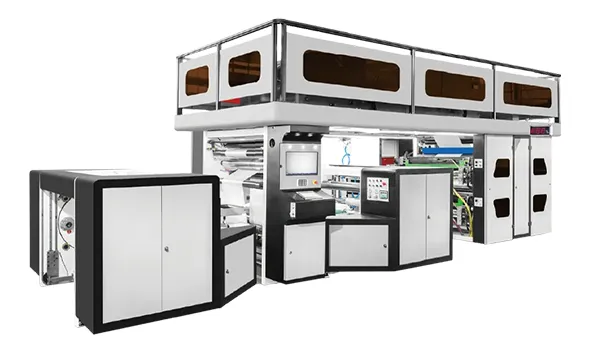
Preventing bearing wear on CI Flexo Printing Machines does not require exotic tools or expensive consultants. It requires consistency and attention to the basics.
Lubrication done right. The first rule is simple: follow the manufacturer's lubrication schedule and use the specified grease or oil. Different bearing types and operating speeds call for different lubricants. What works for a slow-speed application will fail in a high-speed CI press. Keep a log of every lubrication service—date, quantity, and type of lubricant used. That log will help you spot patterns and adjust intervals if conditions change.
Weekly bearing inspections. Once a week, take a few minutes to check each bearing housing for signs of trouble. Listen for unusual noise while the press runs—grinding, clicking, or irregular rumbling often indicates a bearing that is starting to fail. Feel the housing temperature with the back of your hand. Excessive heat means friction, and friction means something is wrong. Look for lubricant leaks around the seals, which suggest either over-greasing or a failing seal that needs replacement.
Cleanliness around the drum area. The central drum area attracts ink mist and paper dust. Keep it clean. Wipe down bearing housings and seals during your daily cleanup routine. A clean housing stays cooler and keeps contaminants out of the bearing cavity.
Load monitoring. Pay attention to the tension settings and impression pressures you are running. If you are consistently pushing the press to its upper limits for certain substrates, consider whether a different material or a slower speed might reduce the strain on the bearings. The bearings will last longer if you give them some margin.
Vibration checks. Include a vibration check in your monthly preventive maintenance. Run the press through its speed range and listen for changes in the machine's "voice." A sudden increase in vibration at a specific speed often points to a developing issue—bearings, gears, or an imbalance in the drum itself. Catching it early means a simple adjustment instead of a major rebuild.
It is tempting to push maintenance to "next week" when production is busy. But bearing wear has a way of catching up with you.
The first symptom is usually a subtle drop in print quality. Registration drifts slightly between colors. Solids start showing uneven ink coverage. You find yourself making more adjustments at the control panel, chasing a problem that keeps moving.
As wear progresses, the issues become harder to ignore. The press develops a noticeable vibration at certain speeds. Changeovers take longer because you cannot hold registration consistently. Scrap rates creep up, and your operators start losing confidence in the machine.
By the time the bearings need replacement, you are looking at significant downtime—often several days to disassemble the drum assembly, press out the old bearings, and install new ones. That is production time you cannot get back, and it comes with a repair bill that far exceeds the cost of preventive maintenance.
The central drum bearings on CI Flexo Printing Machines do not fail overnight. They give plenty of warning—if you know what to look for and stay ahead of the maintenance curve.
Stick to the lubrication schedule with the right grease for your operating conditions.Inspect bearings weekly for noise, heat, and seal condition.Keep the central drum area clean to prevent contamination.Monitor tension and impression loads—don't run the press at its limit every day.Address vibration issues early before they damage bearings and other components.
A little attention each week adds up to years of reliable operation. And when your CI Flexo Printing Machines run smoothly, your production stays consistent, your quality stays high, and your maintenance budget stays under control.
Whether you are setting up a preventive maintenance program for your existing press or evaluating a new CI Flexo Printing Machines for your facility, we can help. Our team understands the demands of high-speed flexo production and the maintenance practices that keep presses running at their best. Contact us to discuss your operation, your maintenance challenges, and how we can support your production goals.

Fast response
Spare parts stock
Specialized commissioning and repairs/p>